Your passport is about to stop being a stamp collection. For decades, American visitors to Europe have entered with a glance at the photo page and a thump of ink; the little rectangles were the only record of where you'd been. That era is ending. The European Union is switching to two digital systems — one that records your entry and exit electronically, and one that asks you to get permission online before you fly. Neither is a visa. Both change what "ready to travel" means.
The rollout has slipped more than once, and it is happening in stages rather than on a single dramatic day. So treat any specific launch date you read as provisional, and confirm the current status on the EU's official pages a few weeks before departure. What follows is what the changes are, who they touch, and what you can usefully do about them now.
Two systems, one trip
They are often mentioned in the same breath, but they do different jobs. The Entry/Exit System, known as EES, is a border database. It replaces manual passport stamping with an electronic record of when you arrive and when you leave, plus a biometric profile tied to your passport. It happens at the border, on arrival, and it costs nothing.
ETIAS — the European Travel Information and Authorisation System — is a pre-travel form. It's an online authorisation for people from visa-exempt countries, Americans included, similar in spirit to the U.S. ESTA. You apply before you travel, pay a small fee, and get an authorisation that lasts a few years. ETIAS is expected to come into force after EES is fully up and running, so the two won't hit you at once.
EES: what happens at the border
On your first entry after the system starts, you'll be asked to look into a camera and place your fingers on a reader. Four fingerprints and a facial image, taken at a kiosk or a manned booth, along with the data already in your passport. It takes a couple of minutes. That registration then holds for three years, or until your passport expires — whichever comes first.
On later trips, the officer or the automated gate matches your face to the stored record instead of starting from scratch. In theory that's faster. In practice, the first months will be slower, because everyone arriving is a first-timer and border staff are learning the equipment at the same time.
EES covers the external borders of the Schengen area — airports, seaports and land crossings — across the member states plus the non-EU countries that sit inside the arrangement, such as Switzerland, Norway, Iceland and Liechtenstein. It doesn't apply to travel between Schengen countries once you're inside, and it doesn't apply to Ireland, which stays outside Schengen.
Worth knowing before you travel with children: minors need their own registration, but fingerprints are only taken from the age of 12. A facial image is captured for everyone, infants included.
ETIAS: the permission you request before you fly
Once ETIAS goes live, Americans will need an approved authorisation before boarding a flight, ferry or train to the Schengen area. You fill in a form online: passport details, personal information, your intended first destination, and a set of background and security questions. Most applications are decided quickly, often within minutes.
Some are not. A percentage get flagged for manual checks, and those can take days rather than minutes. That's the single most practical reason not to leave it until the night before. Apply at least a couple of weeks ahead, and longer if your trip is fixed and expensive.
- Validity: three years, or until your passport expires, whichever comes first — with unlimited entries for short stays.
- Cost: a modest fee paid by card; applicants under 18 and over 70 are exempt. Check the current amount when you apply, as the figure has been under review.
- One each: every traveller needs their own authorisation, including babies and children.
- Not a guarantee: an approved ETIAS gets you to the border. A border officer can still refuse entry.
Who is affected, and who can skip it
If you hold a U.S. passport and you're visiting Europe for tourism, family or business meetings for up to 90 days in any 180-day period, both systems apply to you.
There are exemptions. If you also hold citizenship of an EU country, Norway, Iceland, Switzerland or Liechtenstein, travel on that passport and you're outside the system entirely. The same goes for people holding a residence permit or long-stay visa issued by a Schengen country, and for certain family members of EU citizens travelling with a residence card. Diplomats and some other categories have their own arrangements. If you're in any doubt about your own status, ask the consulate of the country you're entering — this is one of those areas where a two-minute question saves an hour at a gate.
And a reminder of scope: a trip to Ireland, or to the UK, isn't covered by EES or ETIAS. The UK runs its own electronic travel authorisation scheme, so if your itinerary splits between London and Paris you may be dealing with two separate requirements.
How to prepare before you book anything
The good news is that most of this is administrative, and you can front-load it.
- Check your passport now. It needs to be valid for at least three months beyond the date you plan to leave the Schengen area, and issued within the last ten years. If it's close to expiry, renew before you book. Your EES registration is tied to a specific passport, so a new document means starting the biometric record again.
- Count your days honestly. The 90/180 rule is a rolling calculation, not a calendar-year allowance. Three weeks in spring, two in summer and a long Christmas break add up faster than people expect. EES makes overstays visible in a way ink stamps never did.
- Apply for ETIAS as soon as it's live and your dates are firm. Don't buy a non-refundable fare while your authorisation is still pending.
- Think about where you first enter. Registration happens at your point of entry, so a tight connection through a big hub on day one is a bad idea. Give yourself a longer layover than usual for the first trip under the new system.
- Carry the paperwork you'd normally carry anyway. Return ticket, accommodation details, travel insurance. Officers can still ask, and having it ready keeps a routine check routine.
The mistakes that cost people time
The most common one is paying a middleman. EES is free and happens at the border — nobody can sell you a registration in advance. ETIAS is applied for through official channels only, and a crowded field of lookalike websites charges handling fees for a form you can complete yourself. If a site is asking for more than the official fee plus a clear, disclosed service charge, close the tab.
The second is treating ETIAS as a visa. It isn't; it's a light-touch screening, and it doesn't change the 90-day limit or grant any right to work. The third is forgetting the children, whose applications are just as mandatory as yours.
A short pre-departure checklist
- Passport valid three months past your exit date, issued within ten years.
- ETIAS approved for every traveller in the group, including minors.
- Day count for the trip worked out, with earlier trips in the same 180-day window added in.
- Extra time allowed at your first Schengen entry point.
- Official EU website bookmarked for last-minute confirmation.
Rules and dates in this area keep moving, and this is general information rather than legal advice — before you commit to flights, check the EU's official travel pages or your nearest consulate for the current position. Then pack as usual. The border will simply be a little more digital than the last time.
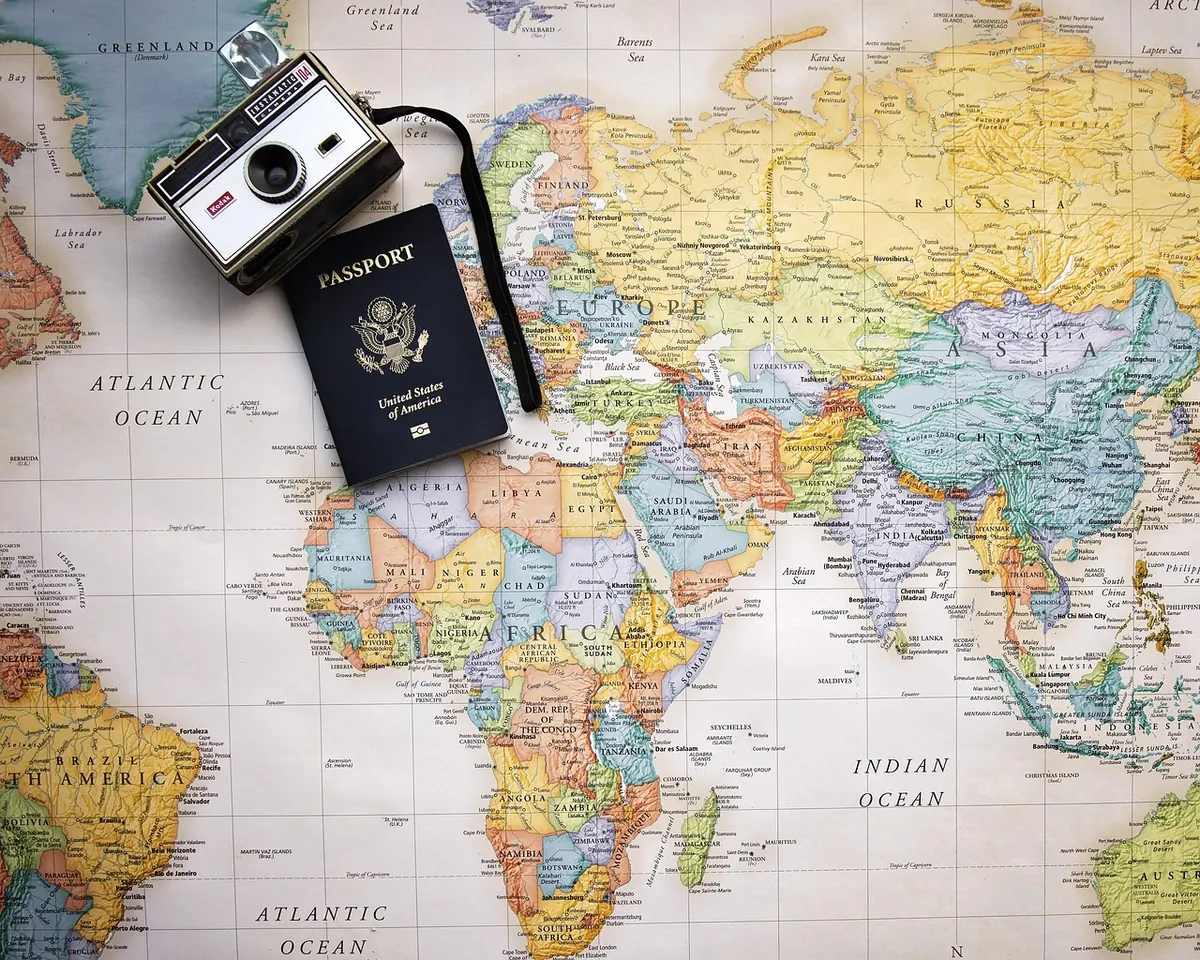
Photo: Pamjpat / Pixabay